
-
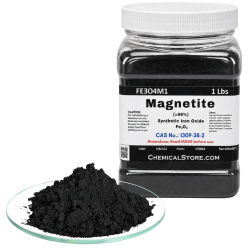 FE3O4M1Magnetite, Fe3O4 (Black Iron Oxide 99%)$21 - $285
 MN02Manganese Dioxide 92%$12
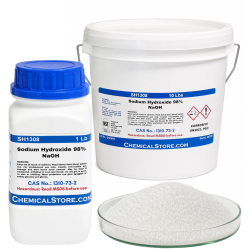 SH1308Sodium Hydroxide 99% (Caustic Soda)$17 - $210
 SNO2
SNO2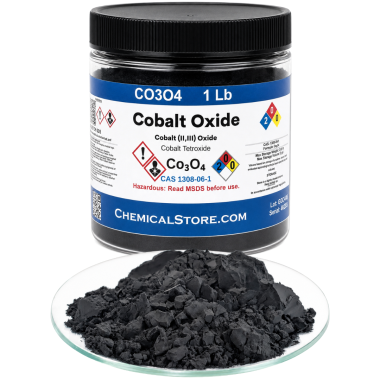
Cobalt Oxide, Cobalt(II,III) Oxide, Cobalt Tetroxide (Co₃O₄)
Black spinel oxide, 72.86% Co, 5.19-micron median particle size.SKU: CO3O4Cobalt Oxide, Cobalt(II,III) Oxide, Cobalt Tetroxide (Co₃O₄)
Cobalt(II,III) oxide is a black to gray-black powder with a spinel crystal structure. It contains 72.86% cobalt and has a median particle size (D50) of 5.19 microns. It is insoluble in water, non-flammable, and stable under normal storage and handling conditions.
Product identification: This product is Co3O4, CAS 1308-06-1. Because the name "cobalt oxide" may refer to different cobalt compounds, verify the CAS number when selecting material for a specific application.
Synonyms: Cobalt tetroxide, tricobalt tetraoxide, cobaltosic oxide, cobaltous cobaltic oxide, cobalt black, black cobalt oxide, and tricobalt tetroxide.
Thermal behavior: Co3O4 is stable under normal processing conditions. At approximately 895 to 900 °C and above in air, it can convert to cobalt(II) oxide (CoO).
In ceramic, glass, and enamel applications, cobalt oxide is widely used as a colorant and is commonly associated with blue coloration in fired materials.
Typical applications include ceramic pigments, glazes, glass, enamels, catalysts, lithium-ion battery material precursors, electronic ceramics, sensors, chemical intermediates, abrasives, hard-metal materials, and thermal spray applications.
Trace element values are typical and may vary by lot. Request a current Certificate of Analysis for lot-specific results.
For industrial, research, and manufacturing use. Confirm suitability for your application before use. Refer to the current Safety Data Sheet (SDS) for complete safety, handling, storage, and disposal information.
Product Specifications
Chemical Name Cobalt(II,III) oxide Synonyms Cobalt tetroxide, tricobalt tetraoxide, cobaltosic oxide, cobaltous cobaltic oxide, cobalt black, black cobalt oxide, tricobalt tetroxide, cobalt tetraoxide, cobalt oxide (Co₃O₄) Molecular Formula Co3O4 CAS Number 1308-06-1 EC / EINECS Number 215-157-2 Molecular Weight 240.80 g/mol Cobalt Content (Co) 72.86% Theoretical Cobalt Content Approximately 73.4% Appearance Black to gray-black powder Odor Odorless Crystal Structure Cubic spinel Median Particle Size (D50) 5.19 microns Density Approx. 6.1 g/cm³ Decomposition / Conversion in Air Approx. 895 °C; converts from Co3O4 to CoO with oxygen release CoO Melting Temperature Above approximately 1900 °C Solubility in Water Insoluble Solubility in Acid Soluble in hot concentrated HCl and HNO3; resistant to weak acids Flammability Non-flammable Typical Nickel (Ni) 0.0015% Typical Iron (Fe) 0.0023% Typical Copper (Cu) 0.0014% Typical Manganese (Mn) 0.0007% Typical Zinc (Zn) 0.0006% Typical Lead (Pb) 0.0042% Typical Chromium (Cr) 0.0008%
Applications and Benefits:
- Blue colorant for glass, porcelain, stoneware glazes, and vitreous enamel.
- Black and gray body stains and underglaze pigments.
- Glass decolorizing agent for counteracting iron-derived green tints.
- Ground-coat adherence agent in porcelain enamel on steel.
- Frit and glaze mill additions.
- Precursor for lithium cobalt oxide (LiCoO2) cathode material.
- Precursor and dopant for NMC and LCO-blended cathode chemistries.
- Solar thermal energy absorber coatings.
- Electrochromic device layers.
- Oxidation catalyst, including carbon monoxide oxidation and VOC abatement.
- Fischer-Tropsch synthesis catalyst and catalyst precursor.
- Oxygen-evolution and oxygen-reduction electrocatalysis.
- Catalyst carrier and support component.
- Semiconductor and thick-film resistor materials.
- Electronic ceramics, thermistors, and varistors.
- Temperature sensors and gas-sensing elements.
- Magnetic and magnetoresistive materials.
- Feedstock for cobalt sulfate, cobalt chloride, cobalt nitrate, and cobalt carbonate.
- Feedstock for cobalt metal powder through reduction.
- Grinding-wheel and bonded-abrasive additive.
- Hard-metal and cemented-carbide binder precursor.
- Thermal-spray feedstock component.
- Drier component in coatings chemistry.
- Mixed-valence cubic spinel structure supports catalytic activity and semiconducting behavior.
- Stable under normal storage, handling, shipping, weighing, and blending conditions.
- Non-flammable and insoluble in water.
- In glass and glaze melts, cobalt enters the silicate network primarily as Co2+, producing characteristic blue coloration.
Caution:
For industrial, research, and manufacturing use. Avoid breathing dust and use appropriate gloves, eye protection, and ventilation when handling. Keep container tightly closed and store in a cool, dry area away from incompatible materials. Review the Safety Data Sheet (SDS) before use for complete handling, safety, and disposal information.
- Availability: In Stock
- Model: CO3O4
-
Brand:

-
 Chromium Oxide Green
-
 Magnetite, Fe3O4 (Black Iron Oxide 99%)
-
 Manganese Dioxide, 80%
-
 Ferric Oxide 99.8% (Red Iron Oxide) Technical
-
 Ferric Oxide 99.8% (Red Iron Oxide)
-
 Red Iron Oxide, Ferric Oxide, Inorganic Pigment
-
 Manganese Dioxide 92%
-
 Potassium Hydroxide, Flakes, 90%
-
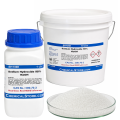 Sodium Hydroxide 99% (Caustic Soda)
-
 Tin Oxide, Stannic Oxide, Tin (Iv) Oxide, Sno2, 99.8%
-
 Titanium Dioxide, Fcc, 99.9% Min
-
 Zinc Oxide, Fine Powder, USP
-
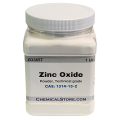 Zinc Oxide, Fine Powder, Technical Grade
-
Ferric Oxide 99.8% (Red Iron Oxide)
-
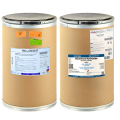 Aluminum Hydroxide Powder, Reagent Grade — Al(OH)₃, CAS 21645-51-2
-
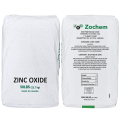 Zinc Oxide 50 Lbs, 103 USP, French Process Powder


